Collectible Djembe Drums: A Buyer’s Guide for Music and Art Collectors
Quick answer: A collectible djembe drum is a hand-carved, hand-tuned percussion piece valued not just for its sound but for its craftsmanship, cultural heritage, and provenance. For collectors, the most sought-after pieces combine authentic construction methods, distinctive carving artistry, and a traceable origin, qualities found in generations-old craft hubs such as Blitar, Indonesia.
For most buyers, a djembe is a musical instrument. For collectors, it can be something more: a functional sculpture that carries a story of craftsmanship, cultural exchange, and hand-worked artistry. This guide explains what separates an ordinary djembe from a genuinely collectible one, and how to evaluate a piece before adding it to a collection.
What Makes a Djembe Drum Collectible?
Collectors typically look beyond playability and weigh a combination of factors:
- Hand-carving detail — intricate, symmetrical, or symbolic carving patterns on the drum’s body signal a higher level of craftsmanship than mass-produced alternatives.
- Material authenticity — a solid hardwood shell paired with a natural drumhead reflects traditional construction methods valued by collectors over synthetic mass-market versions.
- Provenance and origin — knowing exactly where and by whom a drum was made adds cultural and historical value, similar to provenance in fine art collecting.
- Craftsmanship lineage — pieces from workshops or regions with a documented, generations-old drum-making tradition tend to hold and appreciate in value more than anonymous imports.
- Condition and finish — even functional pieces are judged on the quality of their finish, rope tensioning work, and overall structural integrity.
Why Art Collectors Are Turning to World Percussion
Interest in world percussion instruments as collectible art objects has grown alongside broader appreciation for global craft traditions. Djembe drums occupy a unique space: they are simultaneously functional musical instruments, decorative sculptural objects, and carriers of West African cultural heritage. This dual identity, useful and artistic, is part of what draws collectors who might otherwise focus on sculpture, textiles, or ceremonial objects from other traditions.
Indonesia’s Blitar Craft Tradition: A Collector’s Perspective
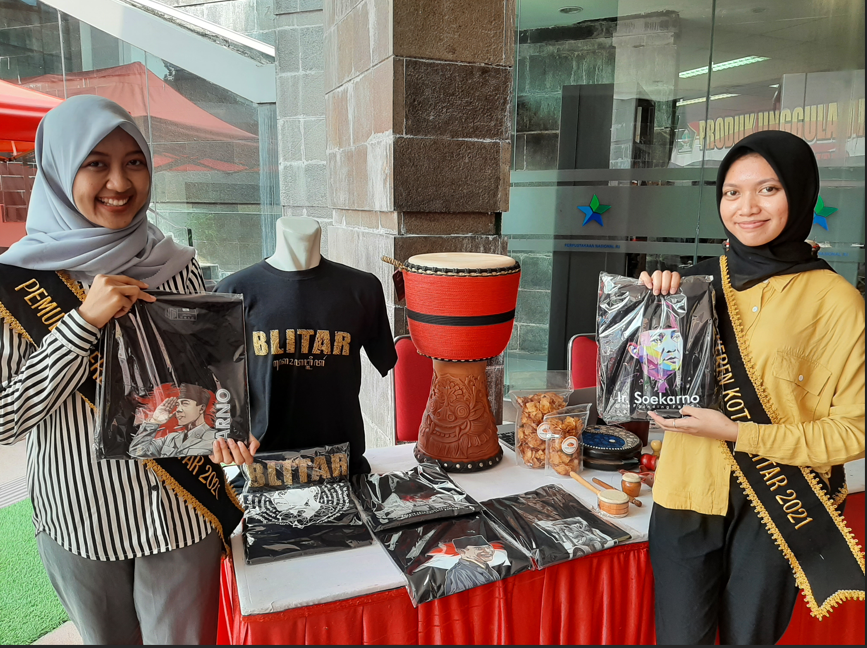
Blitar, a city in East Java, Indonesia, is home to one of the most established djembe-making traditions outside West Africa, centered in the Sentul craft village. Generations of artisans there have refined carving techniques and construction methods passed down within families, producing drums that combine African-rooted design with distinctly Indonesian woodworking artistry. Blitar carries additional cultural weight as the burial site of Sukarno, Indonesia’s founding president and a leading figure of the Non-Aligned Movement, a detail that adds historical context to the region’s identity as a place where different cultural traditions intersect.
For collectors, sourcing directly from an established craft hub like Blitar offers a clearer sense of provenance than buying an unlabeled piece from a general retailer, since the drum’s origin, construction method, and artisan tradition can be documented and verified.
How to Evaluate a Djembe Drum Before Adding It to a Collection
- Ask about the artisan or workshop. A documented maker or craft village adds authenticity and traceability.
- Inspect the carving closely. Look for consistent, deliberate patterns rather than shallow or rushed detailing.
- Check the materials. Solid wood shells and natural drumheads are generally considered more valuable than synthetic alternatives.
- Request the drum’s history. Ask whether it was custom-made, part of a limited batch, or a standard production piece.
- Consider playability alongside aesthetics. A well-made collectible djembe should sound as good as it looks, reflecting genuine craftsmanship rather than decoration alone.
Frequently Asked Questions
What separates a collectible djembe from a regular one? A collectible djembe stands out through hand-carved detail, authentic materials, documented provenance, and craftsmanship from a recognized tradition, rather than mass production.
Does a collectible djembe need to be playable? Not necessarily, but many collectors value pieces that are both artistically and musically authentic, since that dual functionality reflects genuine traditional craftsmanship.
Where can collectors find authentic, well-documented djembe drums? Established craft hubs with a traceable, generations-old tradition, such as Blitar, Indonesia, are a strong starting point, since provenance and construction methods can be verified directly with the artisans or workshops.
Do collectible djembe drums appreciate in value over time? As with most craft and folk art objects, value tends to depend on provenance, craftsmanship quality, and rarity rather than guaranteed appreciation, so collectors should prioritize authenticity and condition over speculative value.
